“WHY DOES EID KEEP MOVING?” – THE BURDEN OF EXPLAINING
Written by Tahirah Yasin
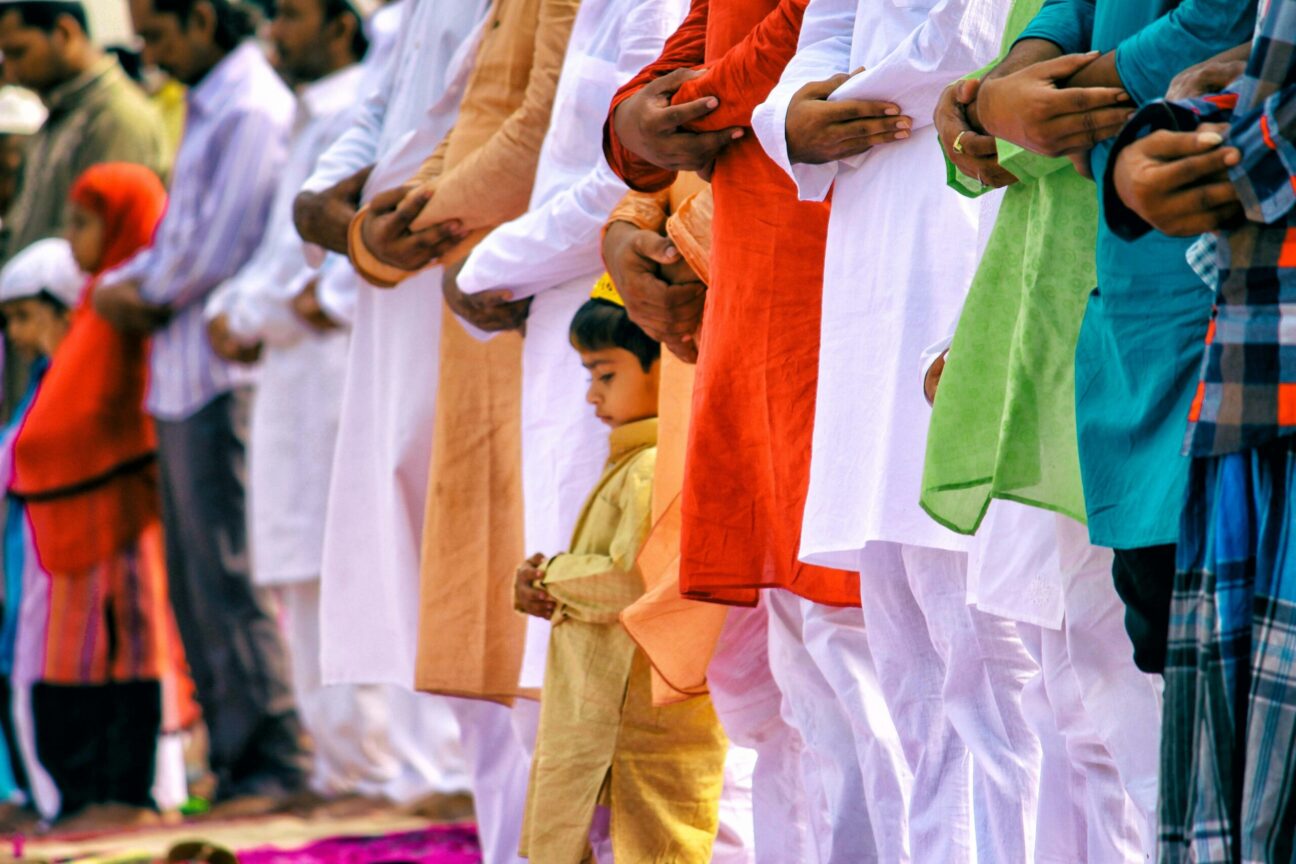
For many Muslim children in schools, Eid isn’t just about celebration—it’s about explaining why they’re celebrating in the first place. Every year, the same questions come up:
Why isn’t Eid on the same day every year?
How come you don’t know exactly when it is?
Why do some people celebrate on different days?
While most religious or national holidays are fixed, Eid follows the Islamic lunar calendar, meaning the date shifts by about 10–11 days each year. Eid is confirmed based on the sighting of the moon, which means even Muslim families themselves might not know the exact day until the night before!
For Muslim kids, this often turns into a yearly lesson in astronomy, culture, and religious education, where they have to justify why they’re taking time off school—something their classmates don’t have to do for Christmas or Easter.
The Silent Struggle: Seeking Approval for Time Off
While many schools allow children to take Eid off as an authorised absence, it’s not always straightforward. Some parents find themselves having to ‘request’ leave rather than it being an automatic right. Others face resistance, with schools framing it as a disruption to learning, rather than acknowledging it as a significant religious event.
Imagine a child being asked:
“Do you really need a whole day off?”
“Can’t you just celebrate after school?”
These are questions that rarely, if ever, get asked about Christmas. And for neurodivergent children, the experience of explaining Eid can be even more overwhelming. The pressure to communicate their cultural identity—especially if they struggle with social interactions—can add extra stress to an already big day.
What Schools Can Do Better
- Automatic Religious Leave – Schools should proactively acknowledge Eid in their calendars, removing the need for students and parents to ‘apply’ for time off.
- Educate, Don’t Delegate – Teachers should take the lead in educating students about Eid, rather than relying on Muslim children to explain their own faith. Assemblies, classroom discussions, and diverse school calendars can make a big difference.
- Flexible Catch-Up Policies – No child should feel penalised for missing school on Eid. Offering structured, low-pressure ways to catch up on missed work (without guilt) is key.
- Recognition in Schools – Just as schools hold Christmas parties and Easter activities, simple acknowledgments like ‘Eid Mubarak’ posters or special lunch menus can make Muslim students feel seen and included.
Final Thought: Why Are We Still Asking ‘Why?’
The fact that Muslim children still have to explain why they’re taking time off for Eid shows there’s still work to be done in terms of cultural awareness and inclusion. Religious celebrations should be embraced—not questioned. Schools should be places where every child feels their identity is understood and valued. And perhaps, one day, Muslim kids won’t have to keep answering the same questions every year.
Have your children experienced this? Share your thoughts in the comments or email us at [email protected].
Eid Mubarak!