UNSEEN, UNDIAGNOSED, UNDERVALUED: ADHD IN WOMEN AND GIRLS
Written by Tahirah Yasin
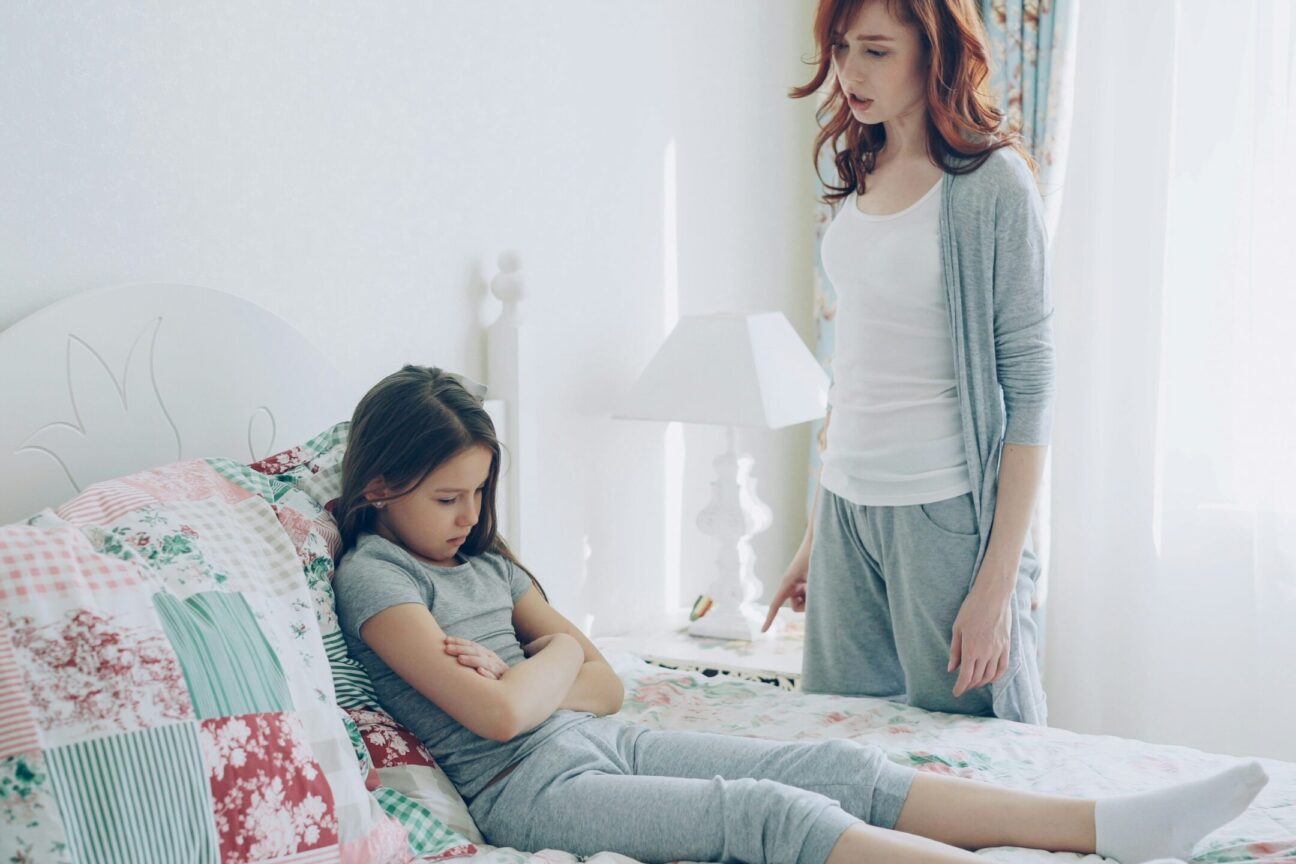
The face of ADHD has long been shaped by stereotypes — young boys bouncing off classroom walls, impulsive behaviour, and disruptive outbursts. But this image has left countless others out of the narrative.
In this issue, we spotlight the invisible ADHD – particularly in women, girls, and those marginalised by gender, culture, or class. These are the stories of missed diagnoses, internalised shame, and incredible resilience.
It’s time to unmask ADHD for what it truly is — a diverse neurodevelopmental condition that affects people of all genders, at every age, in deeply personal and often hidden ways.
👧🏽 ADHD IN GIRLS: SILENCED BY EXPECTATION
From an early age, girls are expected to be tidy, polite, and agreeable. Society teaches them to be caregivers, people-pleasers, and emotional regulators for everyone but themselves.
But what if your brain is wired differently?
What if you’re disorganised, overwhelmed, forgetful, fidgety, or daydreaming all the time? In boys, these traits are flagged. In girls, they are punished — or worse, dismissed. Often labelled “too emotional,” “too sensitive,” or “just hormonal,” girls with ADHD learn to mask early. That masking becomes a second skin — until it starts to suffocate. While working as a therapist I come across this so many times:
“I thought everyone found life this hard. I just assumed I was failing at being a proper woman.”
— Late-diagnosed client, 36
🧠 MASKING AND MENTAL LOAD
ADHD in women often doesn’t look like hyperactivity. It looks like:
- Chronic overwhelm from managing work, home, relationships
- Forgetfulness despite writing endless lists
- Emotional sensitivity, mislabelled as drama
- Imposter syndrome and burnout from trying to “keep up”
- Exhaustion from masking your natural ways of thinking and being
Masking isn’t just tiring. It’s traumatic. Many late-diagnosed women live with a fractured sense of identity — always adapting, never quite belonging.
⏳ A LIFETIME OF MISSED DIAGNOSES
For many, the diagnosis doesn’t come until their 30s, 40s, or even later — often triggered by a life change: motherhood, burnout, menopause, or a mental health crisis.
Before that, they are:
- Misdiagnosed with anxiety, depression, bipolar, or personality disorders
- Judged harshly in schools and workplaces
- Punished in relationships for being “too much” or “not enough”
- Constantly apologising for being “disorganised,” “messy,” or “scattered”
Another example of what clients say.
“When I was finally diagnosed at 42, I cried. Not out of fear, but relief. There was a name for my struggle — and it wasn’t failure.”
— Aisha, 42, mother of three, artist, ADHDer
💼 ADHD IN THE WORKPLACE: INVISIBLE STRUGGLES
ADHD impacts executive functioning — the skills we use to plan, prioritise, remember, and regulate our actions.
In the workplace, this might mean:
- Missing deadlines despite working late
- Zoning out during meetings
- Needing longer to process information
- Difficulty with written reports
- Emotional burnout from “people pleasing” or over-committing
Yet instead of support, these women often face discipline, dismissal, or silence.
That’s why we created The Neurodirectory — to connect neurodivergent individuals with professionals and businesses who truly understand. Not just in therapy, but in real life: hairdressers, coaches, accountants, doulas, and mentors.
🌈 CULTURE, GENDER & NEURODIVERSITY
Many of us don’t fit into the neat categories that medical systems were built around.
If you are:
- A South Asian woman raised to be the “good girl”
- A Black woman constantly told to “try harder” or “calm down”
- A working-class woman juggling survival, work, parenting, and pressure
- A Muslim woman navigating modesty, faith, and cultural values
…then chances are your ADHD wasn’t just misunderstood — it was invisible.
Intersectionality matters. Neurodivergence doesn’t exist in a vacuum. We live at the crossroads of culture, class, faith, gender, and expectation.
The Neurodirectory exists to serve this complexity — by promoting professionals and services that are affirming, inclusive, and culturally competent.