SEASONAL AFFECTIVE DISORDER AND NEURODIVERSITY
Written by Ellie Norris
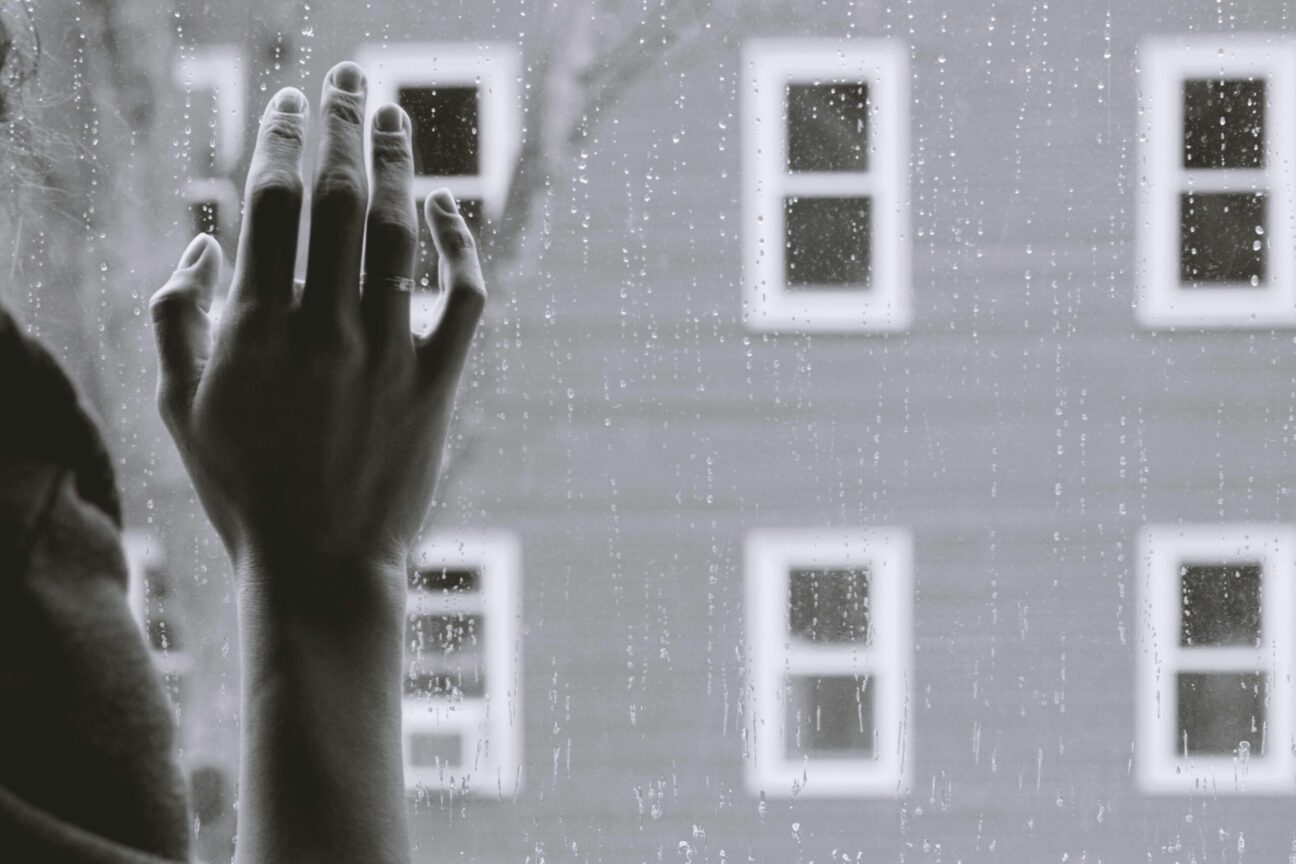
As we transition into the darker months, many of us feel the impact of shorter days and reduced sunlight. For some, this isn’t just a seasonal slump—it’s Seasonal Affective Disorder (SAD), a type of depression triggered by changes in light and weather. But did you know there’s a growing conversation about the connection between SAD and neurodivergence?
The Neurodivergent Brain and Seasonal Change
Neurodivergent individuals—those with conditions such as ADHD, autism, or dyslexia—are often highly sensitive to environmental factors. The shift to less daylight can amplify challenges like mood swings, fatigue, and difficulties with concentration. For neurodivergent individuals, managing SAD may feel like navigating a double challenge.
Why the Link Matters
Research suggests that neurodivergent brains process stimuli, including light and serotonin regulation, differently. This can make neurodivergent individuals more susceptible to seasonal mood disruptions. Understanding this link allows us to develop better support systems tailored to their unique needs.
Practical Tips for Managing SAD as a Neurodivergent Individual
Here are a few strategies to help manage the effects of SAD while embracing the strengths of neurodivergence:
- Light Therapy: Invest in a lightbox to mimic natural sunlight and improve mood regulation.
- Routine Adjustments: Stick to a predictable schedule to combat the lack of external structure in winter months.
- Creative Outlets: Many neurodivergent individuals thrive through creativity —use art, music, or journaling to process feelings.
- Movement and Nature: Incorporate gentle movement, like yoga or walks, to boost endorphins and reconnect with nature.
- Seek Support: Therapy tailored for neurodivergent individuals can provide valuable tools for navigating seasonal challenges.
Celebrating Neurodivergence Through the Seasons
While SAD may present unique challenges, it’s important to honour the strengths that neurodivergent individuals bring to the table. Their creativity, empathy, and resilience can shine even in the darker months. By recognising and addressing these links, we can better support neurodivergent communities through every season.
If you or someone you know experiences SAD or struggles during seasonal transitions, know that you’re not alone. There’s strength in seeking support and finding what works best for you.
Let’s start the conversation and continue to build a world that values neurodiversity every day of the year