ROOTS TO ROUTES: HERITAGE, RESILIENCE, AND THE POWER OF NEURODIVERSITY
Written by Tahirah Yasin
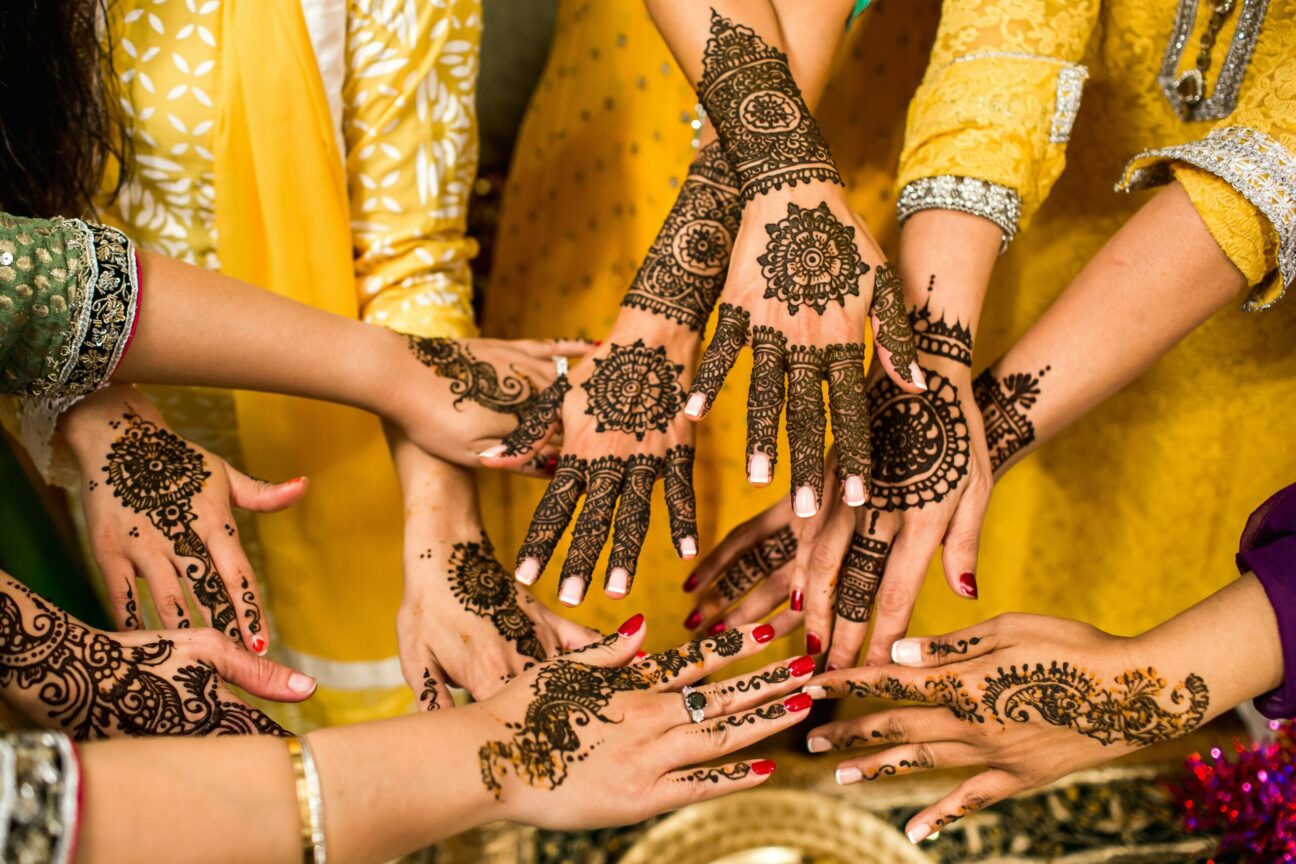
This South Asian Heritage Month, the theme “Roots to Routes” feels especially close to my heart.
It’s about tracing where we come from, honouring the journeys that brought us here, and celebrating the ways our heritage shapes who we are today. As the South Asian Heritage Trust says, “We are the keepers of these narratives.”
For me, that story begins in the 1970s, when my parents left Pakistan for the UK. They arrived with little English, no savings, and the daunting task of building a life from scratch in a country that didn’t always make it easy for newcomers. Like so many in our community, they worked long hours, often in jobs far below their skill level, to make sure we had opportunities they could only dream of.
Their sacrifices meant I became the first in my family to go to university — a milestone that carried their hopes as much as my own.
From roots to new understandings
As I navigated education and later my career, I often felt like I was moving between two worlds — the heritage that grounded me and the British society I was learning to operate within. What I didn’t yet know was that I was also navigating life as a neurodivergent person, with dyslexia, dyspraxia, ADHD, and dyscalculia.
Like many South Asians, my differences went unnamed for years. Cultural stigma, lack of awareness, and the “just work harder” mentality meant I had to push through without the understanding or support I really needed.
That’s why this month matters to me — because it’s not only a celebration of culture and migration, but an opportunity to talk about the stories within our stories. The ones about how neurodiversity exists in our communities, even if it’s not always named. The ones about creativity, innovation, and resilience born from thinking differently.
Heritage and neurodiversity belong together
Inclusive Employers describes this month as “hearing the voices of the past, the journeys unknown… as the South Asian diaspora.” For me, part of that voice is saying: neurodivergence has always been here. Our cultural spaces — our mosques, temples, gurdwaras, community centres, and family gatherings — have always included neurodivergent minds. We just haven’t always had the language for it.
This South Asian Heritage Month, I invite you to join me in making space for those voices — to share your experiences, to name your differences with pride, and to see neurodiversity as part of the rich tapestry of who we are.
Explore our heritage
If you’d like to go deeper into our collective history, I recommend the new Remaking Britain digital archive — a powerful resource mapping South Asian life in the UK since the 1830s, filled with oral histories, photographs, and migration records. You can visit here: https://project.southasianbritain.org/
What’s Happening at The Neurodirectory
Stories from the Community
We’ll be sharing interviews with neurodivergent South Asian professionals, parents, and creatives — people who are reshaping what representation looks like in mental health, education, business, and the arts.
Business Spotlights
Highlighting South Asian-owned, neuroaffirmative services listed in The Neurodirectory — from therapists and tutors to sensory-friendly cafés and inclusive beauty salons.
Resources
We’ve curated a list of culturally aware professionals — from counsellors to accountants — who understand both neurodivergence and South Asian cultural context.
How You Can Get Involved
- Share your story — tell us how your heritage and neurodivergence intersect.
- Nominate a South Asian-owned neuroaffirmative business for our directory.
- Attend our live events and share them with your network.
Final Thought
Our heritage is not just what we inherit — it’s what we build for the next generation. By embracing neurodiversity within our South Asian communities, we’re telling our children and our future selves: You belong, exactly as you are.
When I think about my parents arriving in this country with nothing but determination, I’m reminded that their courage lives on in me. Every time I speak about neurodiversity, every time I challenge stigma, every time I create a space where someone feels seen — I know I’m continuing their journey.
So, if you’re reading this and you’ve ever felt “different,” please know: your story matters. It belongs in our heritage, and our heritage belongs to you.
South Asian Heritage Month is a time to celebrate where we come from — our histories, our cultures, and the journeys that shaped us.
For many of us, those journeys were not straightforward. Our families faced language barriers, cultural adaptation, and the challenges of building new lives from scratch. We carry those legacies within us — stories of resilience, perseverance, and hope.
This month is an opportunity not only to share our traditions, art, and achievements but also to tell the stories that are harder to speak about — the struggles, sacrifices, and quiet acts of strength that brought us here.
In celebrating our roots, we honour our ancestors’ courage, and in sharing our stories, we create space for others to see themselves reflected and feel less alone. We all have a story to tell, and every story matters.