HARLEY STREET: MORE THAN A POSTCODE
Written by Tahirah Yasin
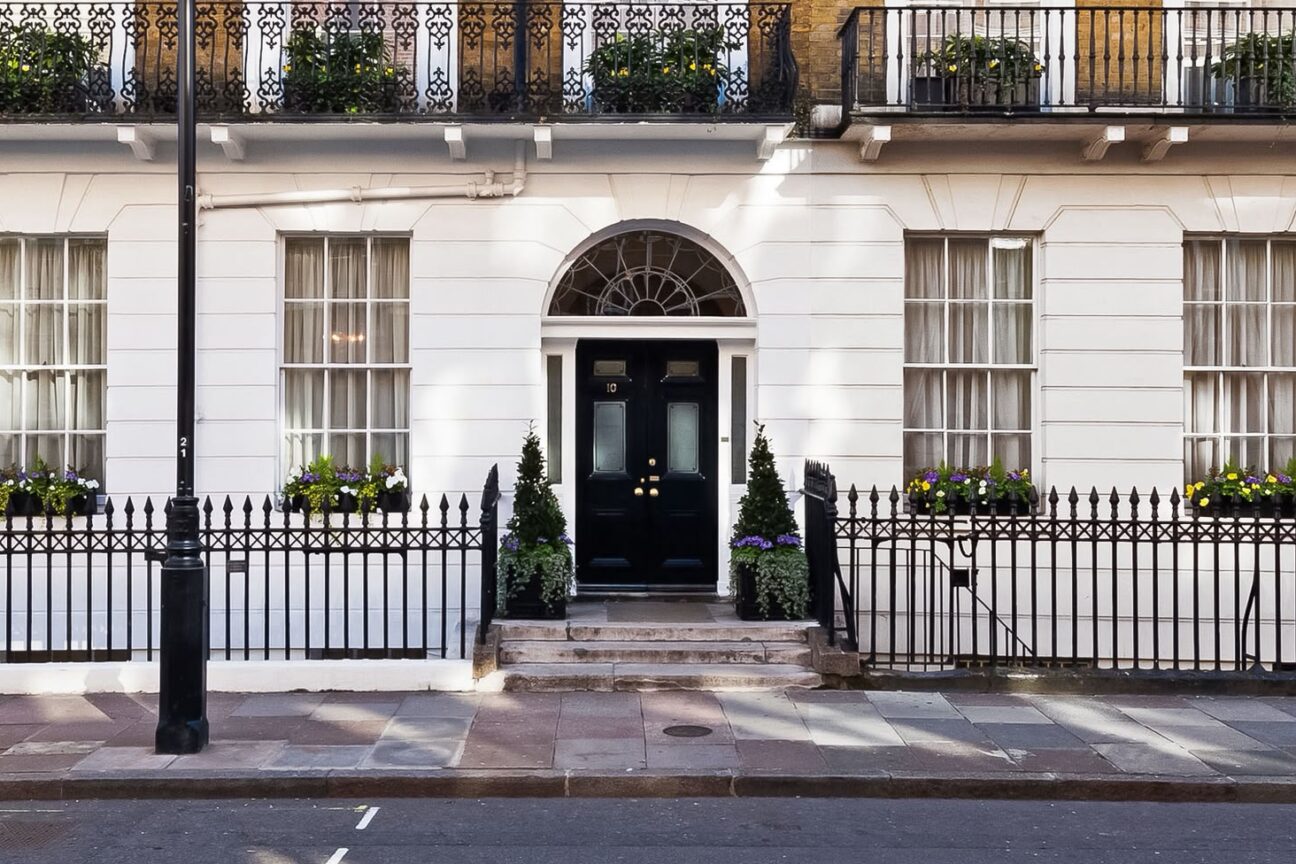
People often ask me what it’s like to work on Harley Street.
People often picture prestigious consulting rooms, world-renowned specialists, and high-profile clients. Harley Street is one of the most recognised healthcare addresses in theworld, so many assume that everyone who visits is searching for “the best expert money can buy.”
The reality is far more human.
Harley Street has been synonymous with healthcare for well over a century. Doctors,surgeons, psychologists and therapists from a wide range of disciplines have worked here,creating a reputation that extends far beyond London. It has become a destination forpeople seeking answers, second opinions, specialist care and, quite often, hope. Yet behindthe famous postcode are hundreds of individual practitioners, each offering somethingunique.
When I first started working on Harley Street, it wasn’t about prestige. At first, I only workedon Sundays because it suited my family life, fit around my other clinical work, and made thelong drive from Gloucester worthwhile. I wanted to build something quietly.
In many ways, I wanted to be the unknown therapist. Away from my local community, away from familiar faces, there was a freedom in knowing I could simply focus on the work. The boundaries felt different. My work stayed in London, and home remained home.
Today, there are many more places where I work and where clients can find me: Harley Street, 20Bedford Square, 44 Russell Square, Syon Park, and online. Each setting offers something different, but the heart of the work never changes.
Many people assume clients choose Harley Street because of its reputation. In reality, many aren’tsearching for prestige. They’re searching for privacy.
One of Harley Street’s greatest strengths is that nobody knows why you are there. In one building, there are dozens of consulting rooms used by professionals from many fields, including physiotherapy, dermatology, psychiatry, coaching, nutrition and surgery. Others, like me, quietly welcome people into therapy.
There is anonymity in that. For someone who has spent years masking anxiety, trauma, ADHD, autism, grief or burnout, simply entering a building where no one questions why you’re there can feel surprisingly safe. That safety matters.
The environment we step into can have a remarkable effect on how willing we are to open up. Therapy is rarely about finding the “perfect” room; it’s about finding a space where your nervous system begins to settle, where you don’t feel judged, and where you can simply be yourself.
Sometimes the location helps create that first sense of safety before a single word has even been spoken.
Over the years, I’ve noticed something else. Many of the people who eventually find me have spent months researching therapists across London. They’re not necessarily looking for the longest list of qualifications or the biggest online presence; they’re looking for someone who understands them. Sometimes that means someone who understands neurodivergence.
Sometimes it means a therapist who understands faith and culture. Often, it means someone who recognises what it looks like to have spent years pretending to cope.
Masking becomes a survival strategy for successful professionals, parents, doctors, teachers and business owners. These are people whose lives look perfect from the outside, but who are privately exhausted by the effort of keeping up appearances. By the time they reach out, many have spent years convincing themselves that they should simply “get on with it”. Giving themselves permission to ask for help can be one of the hardest steps of all.
Perhaps that’s why I understand them.
Like many therapists, I’ve wondered if I’m good enough. Working alongside highly experienced clinicians naturally leads to comparison. I started collecting CPD courses, attending conferences and continually refining my practice. Part of this was because I genuinely love learning, but another part was driven by a quiet voice asking whether I had earned my place.
Looking back, I wasn’t trying to compete with anyone else. I was trying to become the therapist my clients deserved.Harley Street has taught me that expertise matters. Competence matters. Ethics matter. But clients rarely remember how many certificates are on your wall. They remember how you made them feel: seen, heard and safe.
Whether I meet someone on Harley Street, at Bedford Square, at Russell Square, at Syon Park, or online, the postcode fades away within minutes of starting the session. What remains is simply two people in a room: one sharing a story, and one there to help make sense of it.
Maybe that’s what Harley Street really stands for. It’s not about prestige. It’s about possibility.
Work with Tahirah
If this article resonated with you and you’re considering therapy, Tahirah offers in-person sessions from her Harley Street consulting rooms, as well as appointments at Syon Park and online.
Whether you’re navigating anxiety, trauma, neurodivergence, burnout, life transitions, or simply need a safe space to talk, Tahirah provides a compassionate, culturally sensitive and neuro- affirming approach tailored to your individual needs.
To enquire about availability or book an appointment, email [email protected] or visit www.tykhan.co.uk.