EID, NEURODIVERSITY, AND INCLUSION AT WORK: MORE THAN JUST A DAY OFF?
Written by Tahirah Yasin
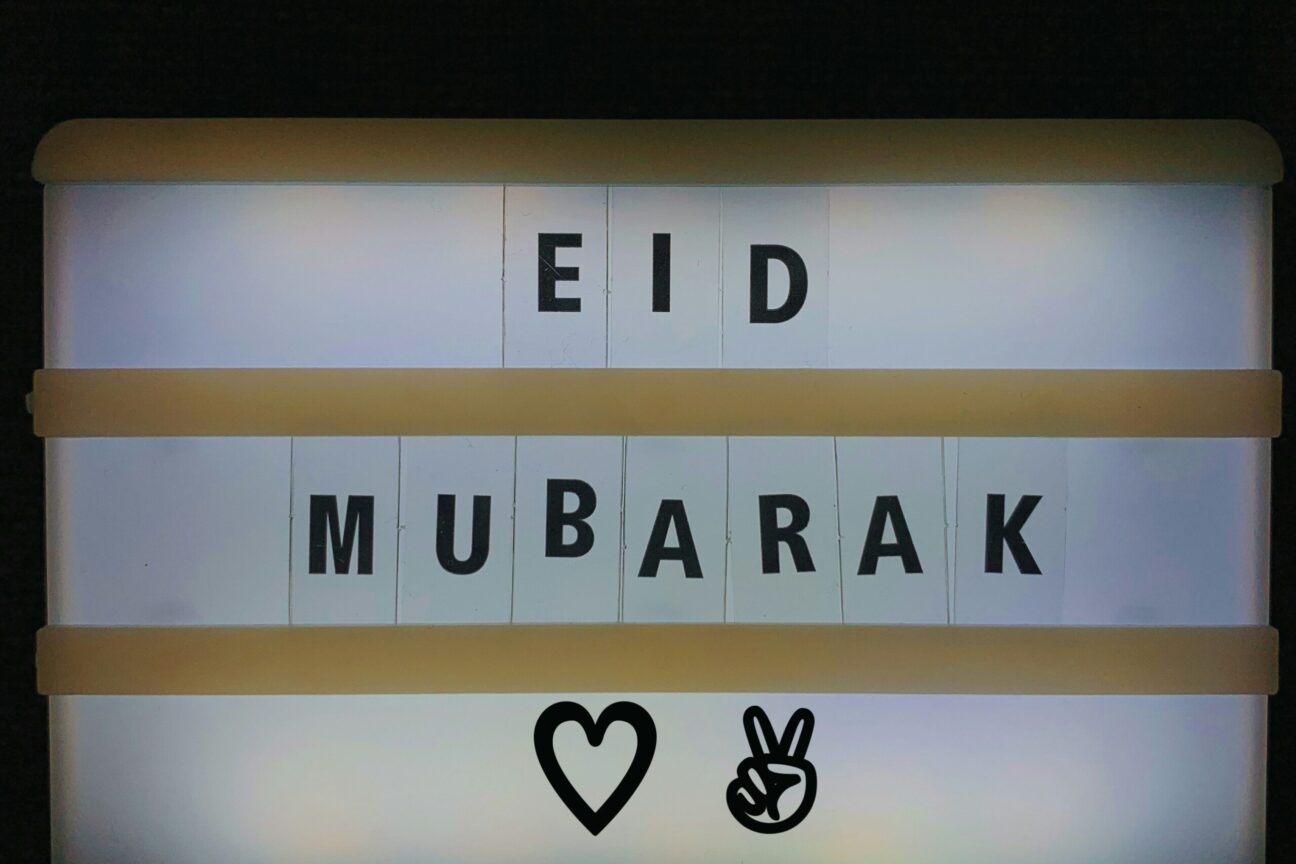
More Than Just a Holiday
Eid is one of the most significant celebrations for Muslims worldwide, yet in many workplaces and schools, it is still treated as an afterthought. Meanwhile, conversations about equity, diversity, and inclusion (EDI) are gaining momentum—but do they truly extend to religious observances? And how does this intersect with neurodiversity?
Workplace Inclusion: A Policy or a Privilege?
Many workplaces have EDI policies, but how often do these policies address religious accommodations? While neurodiversity is slowly being recognised, Muslim employees often have to request leave for Eid, sometimes facing resistance. For neurodivergent Muslims, the experience can be even more challenging. Sensory sensitivities, social expectations, and sudden schedule changes can make Eid celebrations overwhelming—but are workplaces even aware of these nuances?
Questions to consider:
• Do companies accommodate fasting employees during Ramadan with flexible hours or workload adjustments?
• Are Muslim employees required to justify their Eid leave while Christmas breaks are automatic?
• Is religious inclusion in the workplace performative or truly integrated?
Schools and Eid: The ‘Unapproved Absence’ Problem
For many Muslim parents, getting time off for Eid still means navigating school policies. Some schools approve it easily, while others mark it as an ‘unapproved absence.’ What message does this send to children about the value of their religious identity?
Key considerations:
• Why is Eid leave still questioned in some schools?
• Does the school calendar reflect diverse faiths, or does it revolve around Christian holidays?
• Should religious leave be standardised across educational institutions?
Religious Leave: A Right or a Special Request?
Should religious leave be a guaranteed right rather than a request? Countries like the UAE and Indonesia automatically grant time off for Eid, while in the UK and US, it depends on employers and schools. Many Muslim employees have to use annual leave or negotiate time off, raising an important question—should workplaces and schools embed religious and cultural leave into their policies as a standard practice?
Shifting the narrative:
• What if religious leave was treated as essential, rather than an exception?
• How can workplaces and schools move toward a more inclusive approach?
• Is it time to update outdated policies to reflect modern, multicultural societies?
Eid, Neurodiversity, and Intersectionality: What’s Overlooked?
Beyond religious inclusion, how does Eid impact neurodivergent Muslims? Celebrations can be overwhelming for those with sensory sensitivities, and the transition from Ramadan fasting to Eid feasts can be difficult. Should workplaces and families consider neurodivergent-friendly approaches to celebrating?
Considerations:
• Providing quiet spaces during Eid gatherings
• Recognising that not all neurodivergent Muslims experience Eid in the same way
• Creating inclusive environments that honour both religious and neurodiverse needs
A Call to Action
True inclusion isn’t just about acknowledging religious diversity—it’s about embedding it into policies, attitudes, and everyday practices. Whether in workplaces or schools, it’s time to ask: Is inclusion real if people still need to ask for permission to celebrate their faith?
This Eid, let’s push for change. Let’s make religious leave standard, ensure workplaces and schools reflect all communities, and recognise that inclusion means everyone—including neurodivergent Muslims—feels seen, valued, and respected.
This blog would be a strong conversation starter for Neurodirectory, engaging HR leaders, educators, and policymakers. Would you like to add any personal experiences or case studies to make it even more impactful?