ADHD AND THE POWER OF ANTI-OPPRESSIVE SELF-CARE
Written by Myira Khan
As an ADHD therapist, I often describe being ADHD as moving through a world that wasn’t built with us in mind. The dominant culture rewards neatness, order, speed and linearity. Yet, neurodiversity reminds us that there is no single “right” way to be, think, feel, or process the world. ADHD is not a deficit of attention—it’s another, equally valid, way of attending to and attuning to our experience of being in the world, a rhythm that often dances to its own beat.
Unfortunately, this difference is often met with stigma, shame, or demands to conform. From childhood, many ADHD’ers are told to “sit still,” “pay attention,” or “try harder,” creating a lifelong narrative of not being enough. These messages aren’t just personally painful—they are oppressive. They reflect systems that value productivity, success, output, compliance and sameness over humanity, creativity and diversity.
Anti-Oppressive Practice and ADHD
Anti-oppressive practice means naming and challenging the ways structures and expectations harm those of us who are neurodivergent. It asks us to hold space for ADHD as not only a personal difference, but also a political one. Who decides what is “normal”? Who benefits when our ways of being are pathologized? And how do we resist internalising these narratives?
As a therapist, I witness how ADHD’ers carry heavy loads of self-criticism, perfectionism and burnout. Yet I also see immense strengths: creativity, intuition, hyperfocus, robustness, humour and innovation. Anti-oppressive self-care means shifting the gaze from “fixing” ADHD to creating environments that honour it.
Anti-Oppressive Self-Care for ADHD’ers
Traditional self-care advice often misses the mark for ADHD’ers. Colour-coded planners, rigid routines, and elaborate wellness regimens can quickly become another source of shame when we can’t keep up and all those steps and tasks become overwhelming, leading us to shut-down or melt-down. Anti-oppressive self-care rejects one-size-fits-all or neuro-normative solutions, which don’t honour diversity, individuality or our unique needs, interests and environments, and instead asks: What does self-care look like for me, in this body, in this brain, in this context? What honours and values me, for who I am, which is loving, caring and compassionate to my whole being?
Here are some reflections and practices that honour ADHD’ers:
Redefine Productivity
You are not your output. Anti-oppressive self-care means decoupling your worth from endless “to-do lists” or milestone life goals. Celebrate the small wins—showering, answering one email or taking a break are acts of resistance in a world that demands constant hustle.
Build Flexible Structures
Rigid systems often break under ADHD minds. Instead, create scaffolding that bends with you: visual cues, timers, or body doubling (working alongside someone) can support without shaming.
Practice Radical Rest
ADHD brains often swing between hyperactivity and exhaustion. Rest isn’t laziness—it’s reclamation, repair and rejuvenation. Allow yourself naps, daydreams or time away from overstimulation.
Claim Joy Without Justification
Play, movement, music, doodling, stimming—these are not distractions; they are medicine. Joy is not a reward for productivity; it’s a necessity for survival.
Challenge Internalised Ableism
When that inner voice says “lazy”, “messy” or “too much”, pause. Whose voice is that really? Practice talking back with compassion: I am enough, as I am.
Closing Thoughts
To live as an ADHD’er is to resist conformity every day. To practice anti-oppressive self- care is to honour the truth that our ways of being are valid, valuable, and visionary.
Neurodiversity is not a deficit—it is the spectrum of human brilliance. And when we care for ourselves on our own terms, we do more than survive: we thrive, and we open the door for others to do the same.
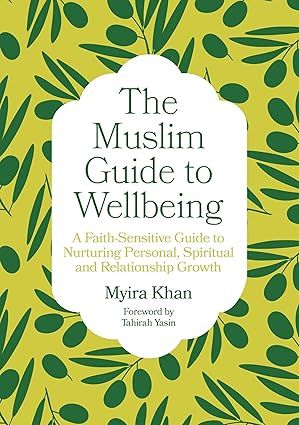
Myira Khan – Award-winning Accredited Counsellor, Supervisor, Coach, Trainer, Founder of the Muslim Counsellor and Psychotherapist Network (MCAPN), and Author of Working Within Diversity – A Reflective Guide to Anti-Oppressive Practice in Counselling and Therapy (out now) and The Muslim Guide to Well-Being: A Faith- Sensitive Guide to Nurturing Personal, Spiritual and Relationship Growth (out January 2026 – available to pre- order now)